Kanagawa · 神奈川県
Hakone
箱根
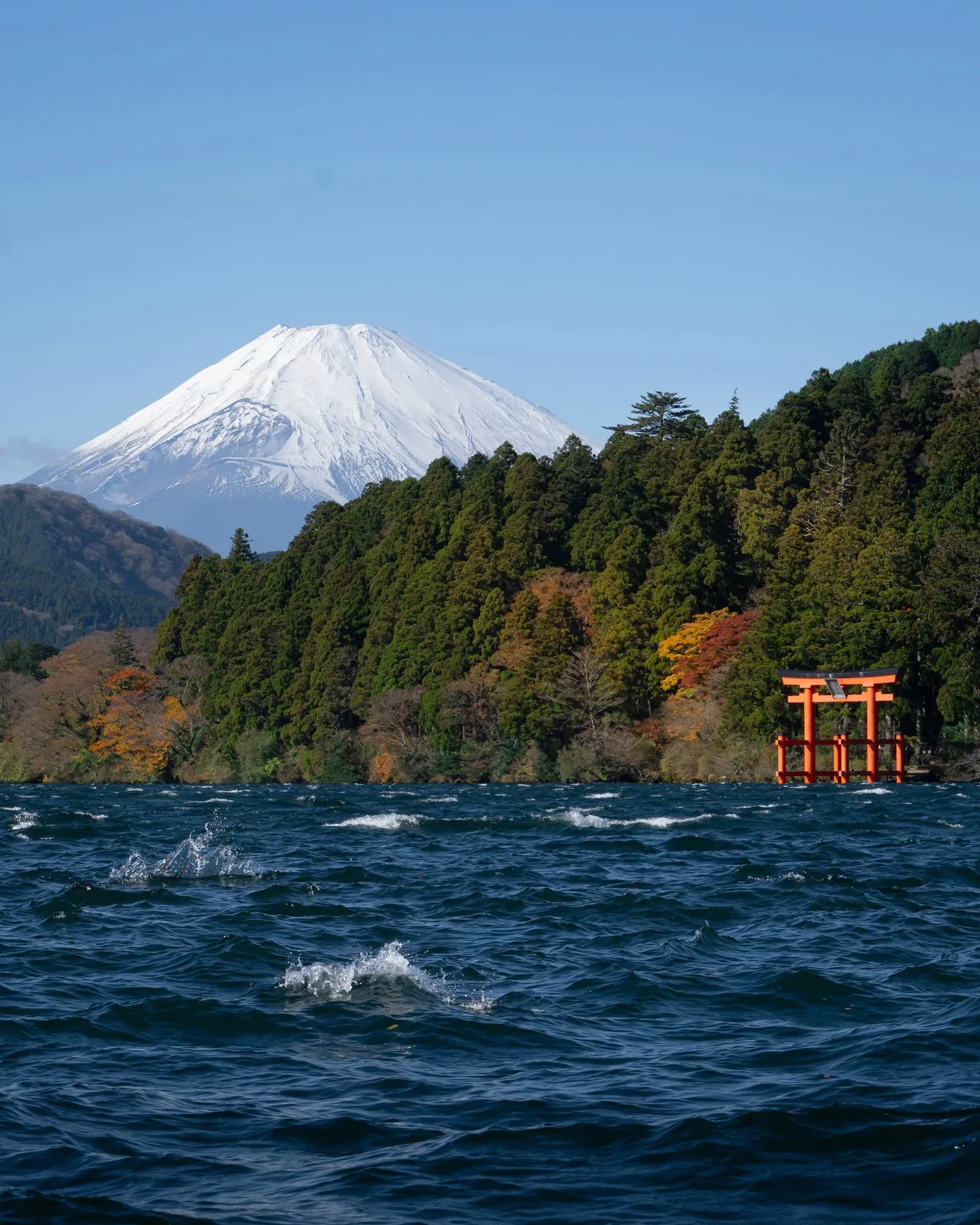
Hakone combines volcanic scenery, lakeside views, shrines, and onsen culture in one of the easiest mountain escapes from Tokyo.
Tour Stops
Owakudani Valley
Owakudani — literally “Great Boiling Valley” — is an active volcanic zone formed 3,000 years ago when Mount Kamiyama erupted and collapsed. Sulfurous steam vents hiss from the barren, moon-like terrain, and the air carries the unmistakable smell of volcanic gas. Visitors reach the area by ropeway, which itself offers sweeping views over Lake Ashi and, on clear mornings, Mount Fuji. At the top, the famous kuro-tamago (black eggs) boiled in the sulfuric hot springs are said to add seven years to your life.
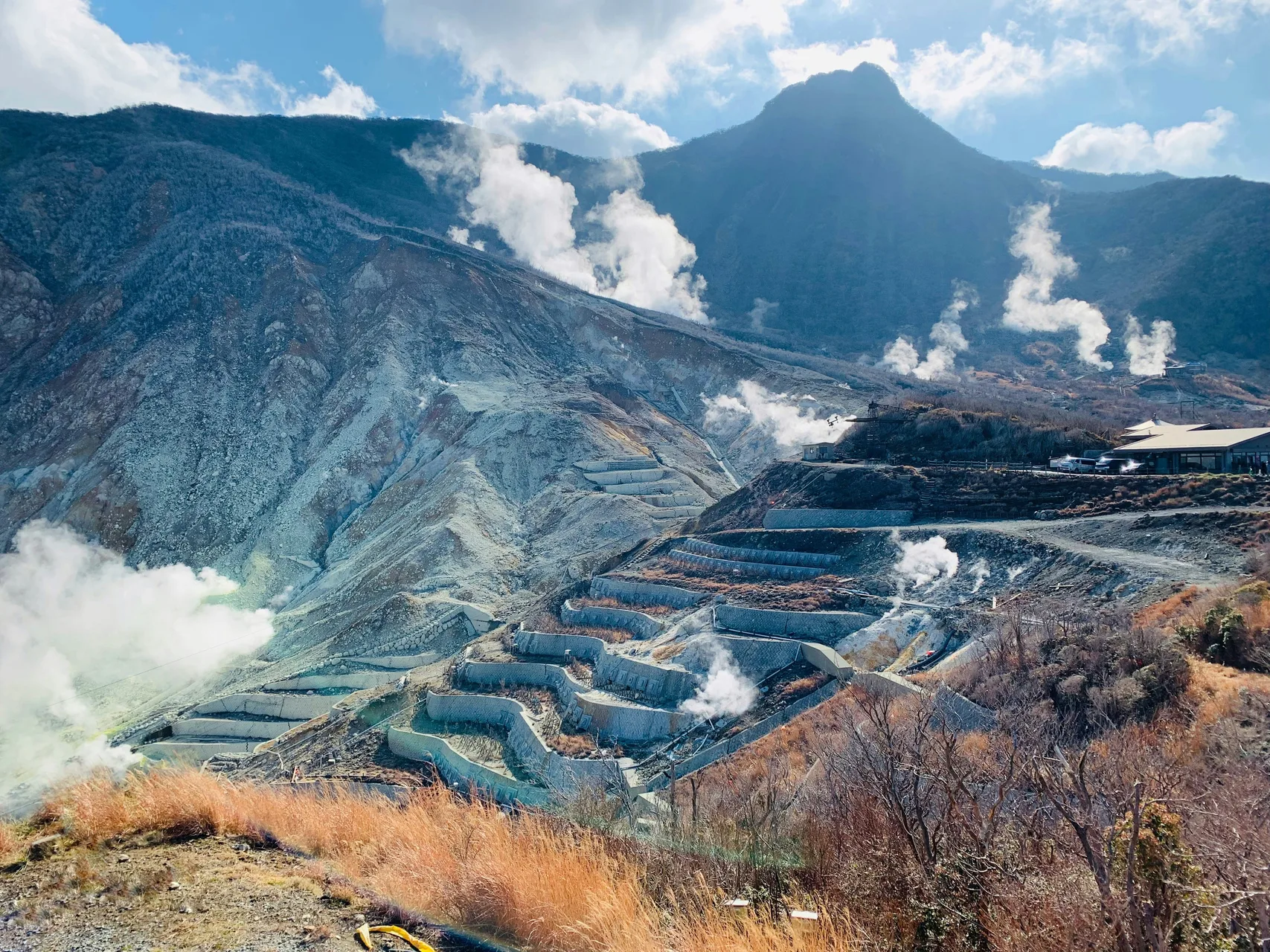
Lake Ashi
Formed in the caldera of an ancient eruption, Lake Ashi is the scenic centerpiece of Hakone. Its still waters reflect Mount Fuji on calm days, creating one of the most iconic views in the Kanto region. Sightseeing boats cross the lake between Togendai and Hakone-machi, passing the red torii gate of Hakone Shrine standing at the water’s edge. The surrounding hills are particularly stunning in autumn, when the foliage paints the caldera in shades of amber and crimson.
Choanji Temple
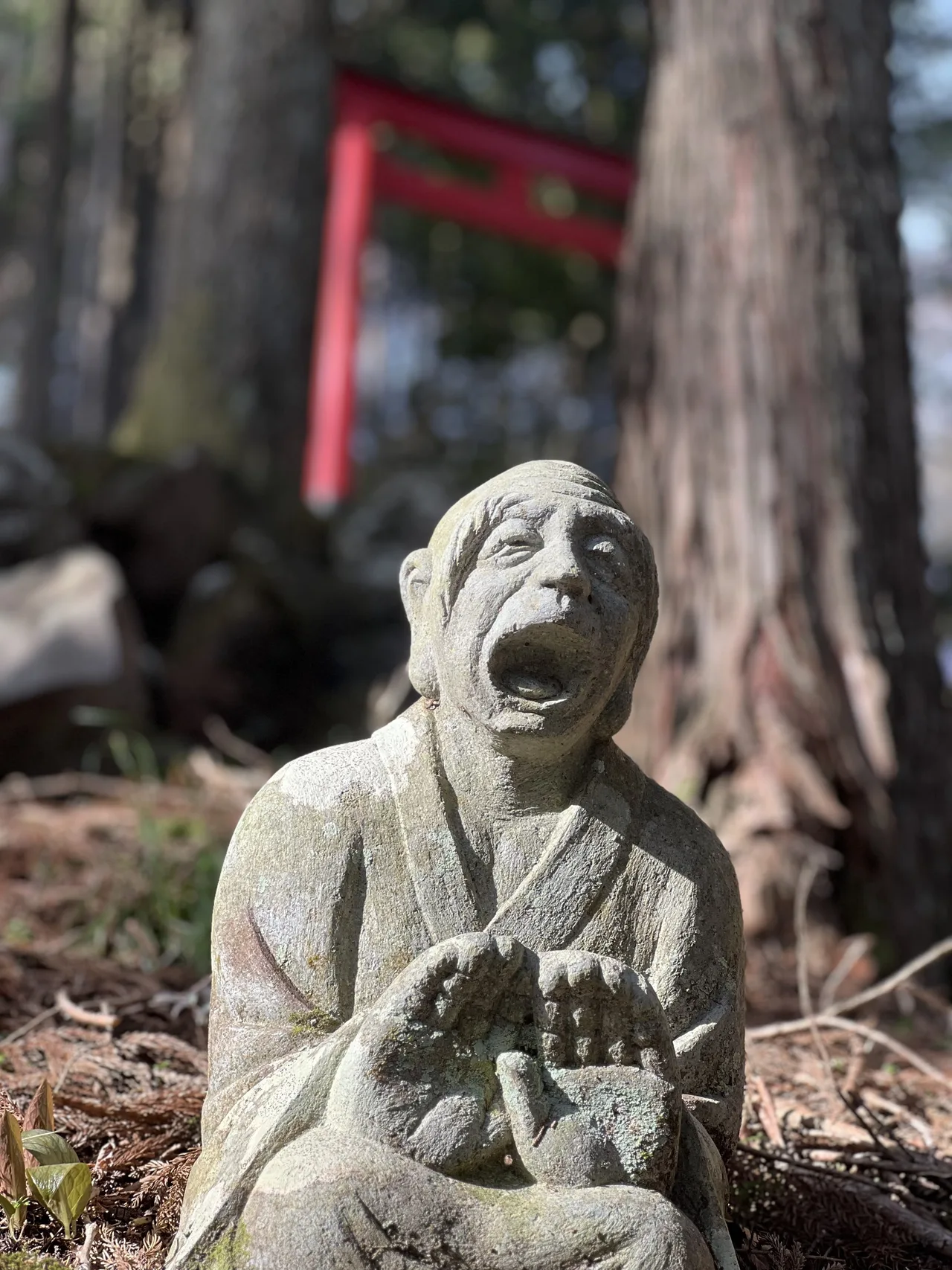
A quiet Zen temple tucked into the forested hills of Hakone, Choanji is known for its collection of over 500 Rakan (arhat) stone statues — each with a unique expression, from laughing to weeping, contemplative to playful. The statues are scattered across the mossy hillside beneath towering cedars, and visitors often find one that seems to resemble someone they know. Founded in 1356, the temple offers a meditative pause from Hakone’s more dramatic natural attractions.
Hakone Shrine
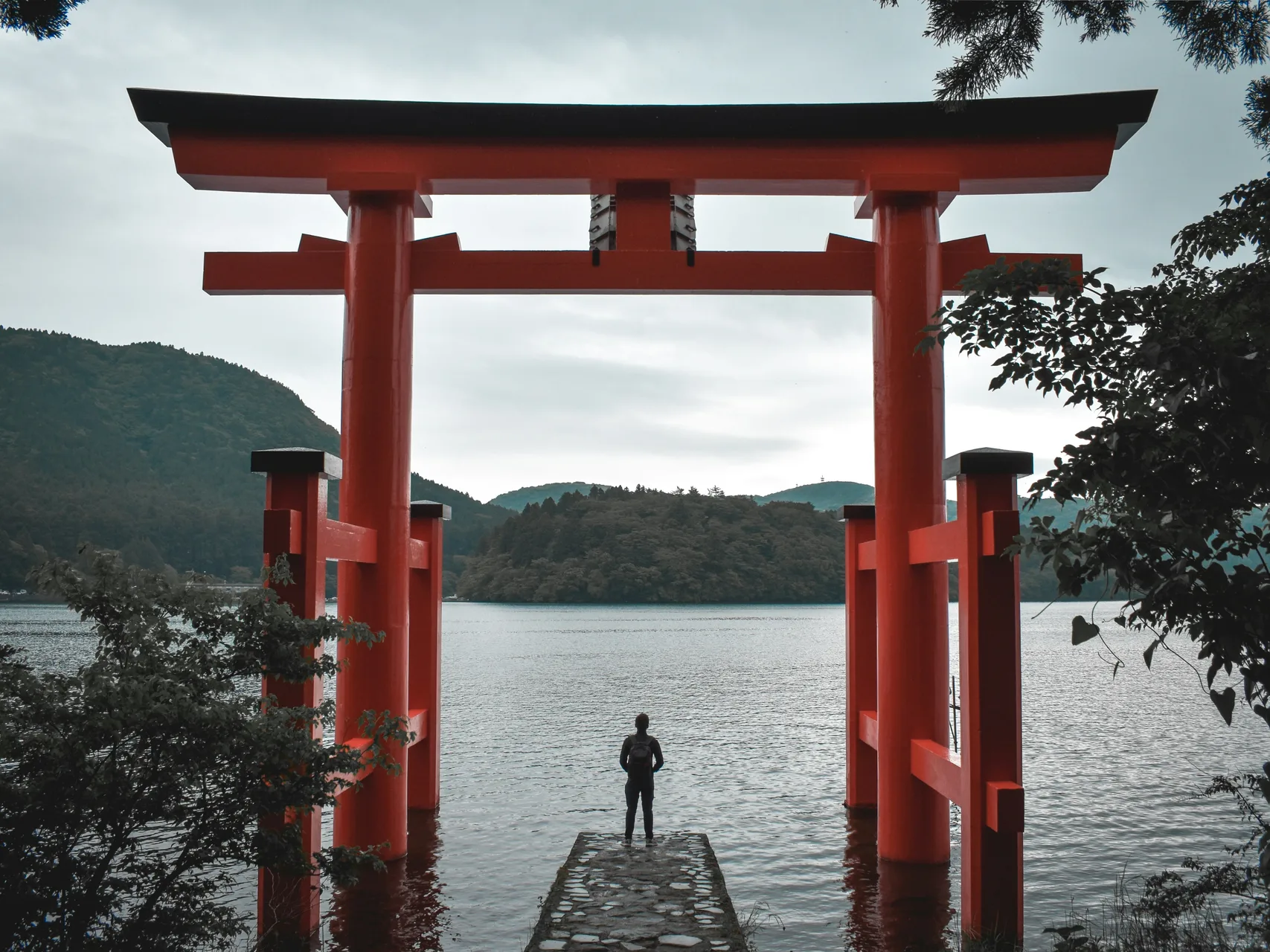
Nestled in the dense cedar forest along Lake Ashi, Hakone Shrine has been a place of worship for over 1,200 years. Its most famous feature is the vermillion torii gate that stands in the lake itself, appearing to float on the water in the early morning mist. The shrine was historically a place where samurai came to pray before battle, and it remains one of the most spiritually atmospheric spots in Hakone. The approach through a towering avenue of ancient cedars sets the tone before you even arrive.
Mount Taikan and Shakushi Pass
For wider panoramic views, the tour can include stops at elevated viewpoints like Mount Taikan or Shakushi Pass, which offer sweeping vistas over the Hakone caldera, Lake Ashi, and the surrounding Fuji-Hakone-Izu landscape. On clear days, the Pacific coastline is visible in the distance. These stops work best in the morning before clouds build around Fuji.
Local Cuisine
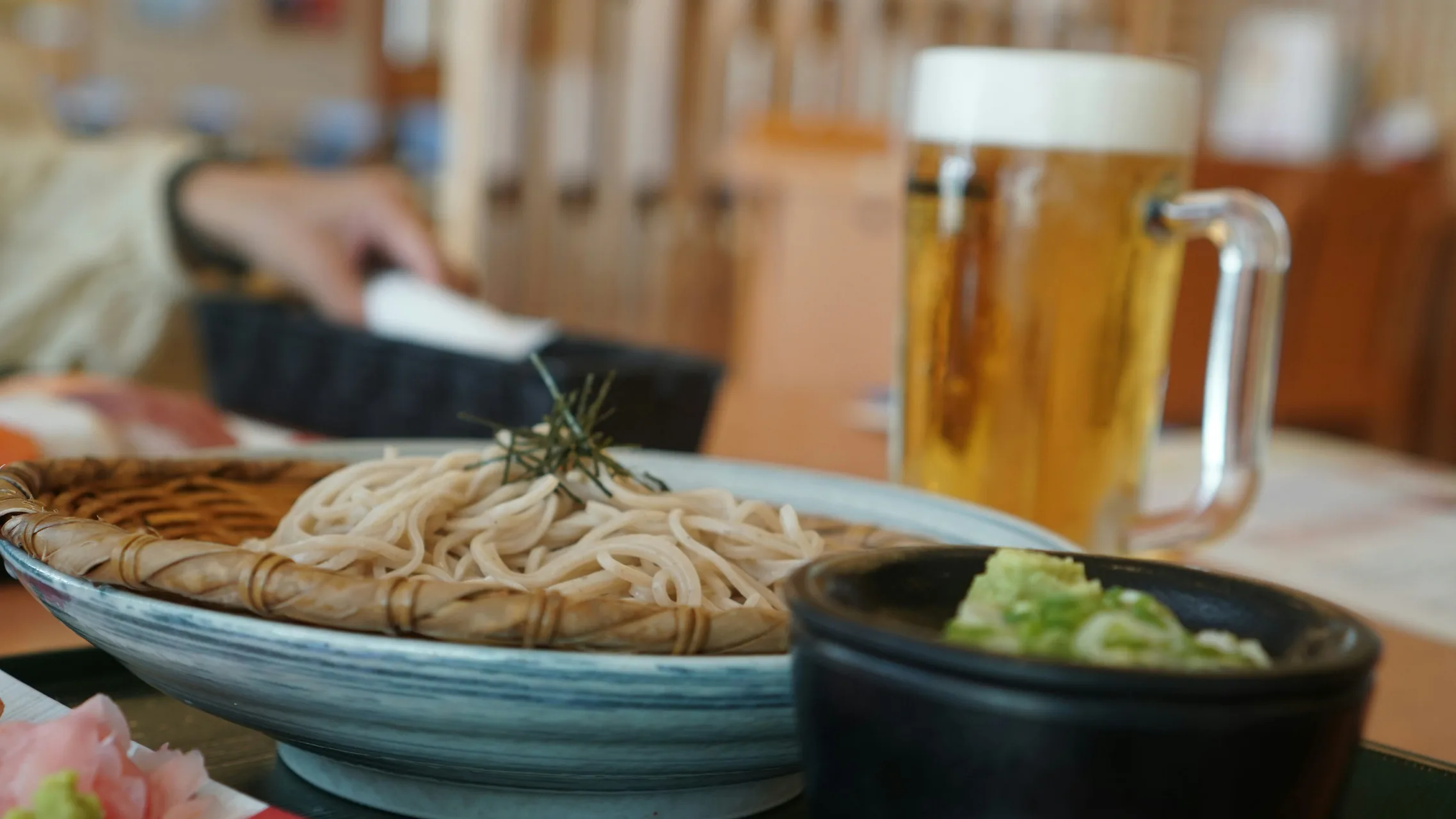
A Hakone day naturally includes a stop at a local restaurant for handmade soba noodles — buckwheat grown in the surrounding mountains — often served with freshly grated wasabi from the Hakone area’s own wasabi farms. The combination of cold soba, sharp wasabi, and mountain air is a quintessential Hakone experience.
Onsen
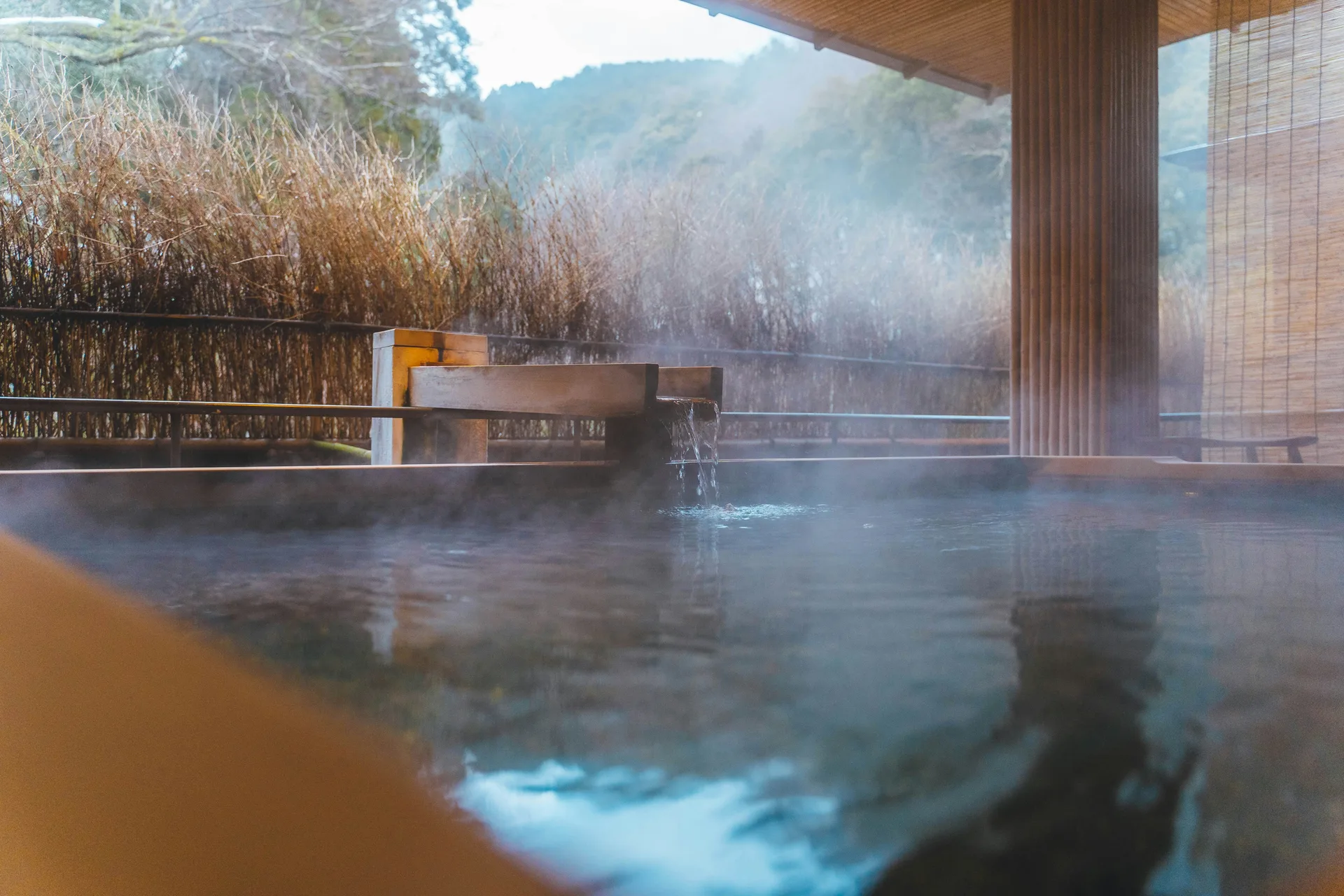
No Hakone visit is complete without a soak in one of the area’s hot springs, which have drawn visitors since the Nara period (8th century). The region has seventeen distinct hot spring sources, each with slightly different mineral compositions. Whether it’s a traditional ryokan bath, a modern day-spa, or an open-air rotenburo overlooking the mountains, the onsen is often the defining memory of a Hakone trip.
Included
- Temple and museum entrance tickets
- Transport, gas, highway tolls, parking
Not included
- Food