Kyoto · 京都府
Kyoto
京都
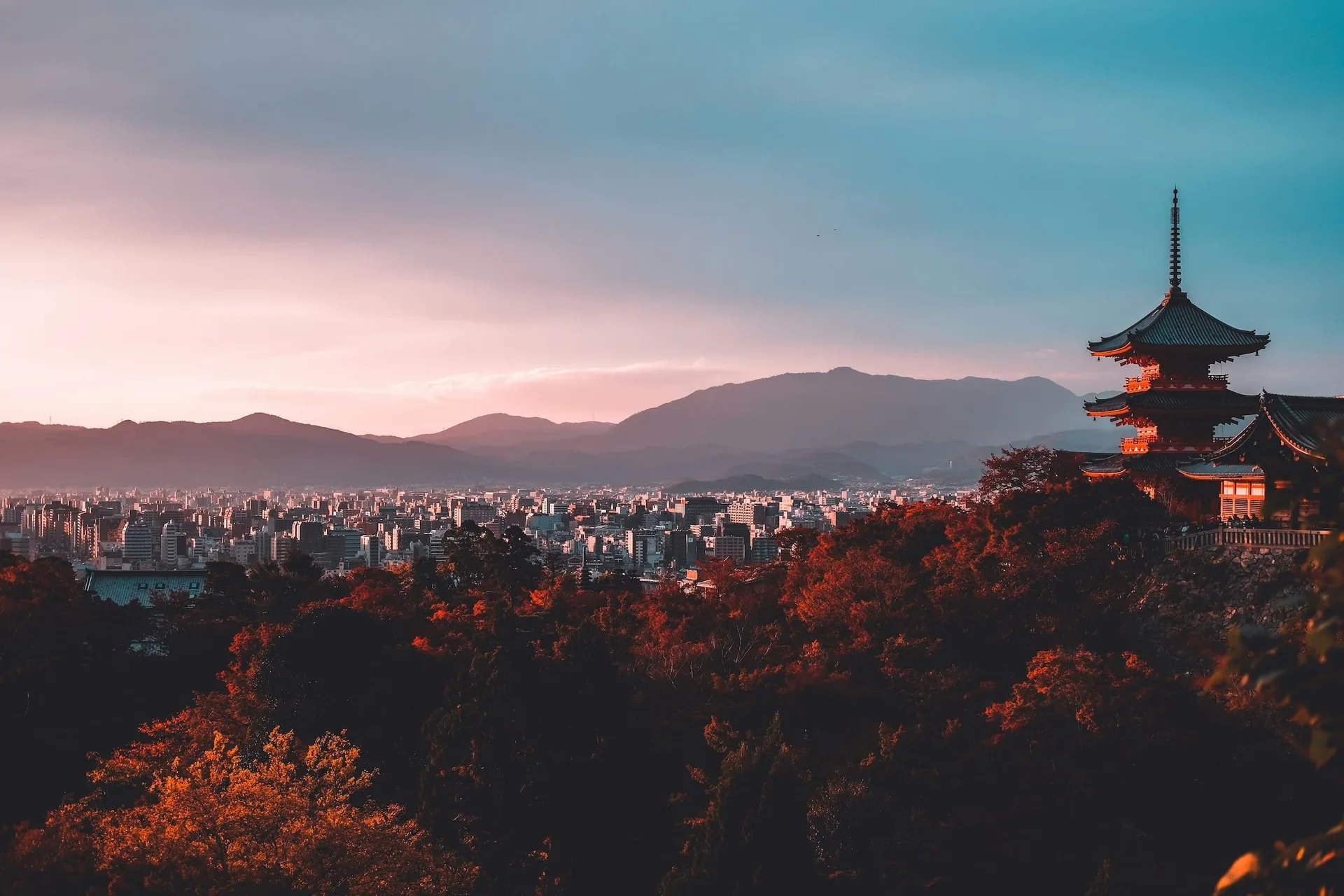
Kyoto is best approached through a sequence of major cultural stops, mixing shrine paths, temple districts, gardens, and traditional streets.
Tour Stops
Fushimi Inari Taisha
Japan’s most famous Shinto shrine, dedicated to Inari, the god of rice and prosperity. The shrine’s signature feature is its seemingly endless tunnel of vermillion torii gates — over 10,000 of them — donated by businesses and individuals over centuries, each inscribed with the donor’s name and date. The gates wind up Mount Inari along a 4-kilometer trail through dense forest, passing smaller sub-shrines, fox statues (Inari’s messengers), and viewpoints overlooking southern Kyoto. The full loop takes about two hours, but even a short walk into the first few hundred meters is striking. The shrine is open 24 hours and is especially atmospheric at dawn or dusk when the crowds thin.
Kiyomizu-dera
A UNESCO World Heritage temple perched on a hillside in eastern Kyoto, famous for its massive wooden stage that juts out 13 meters over the valley below — built entirely without nails using an interlocking pillar technique. Founded in 778 AD, the temple takes its name from the Otowa waterfall (kiyomizu means “pure water”) at its base, where visitors drink from three streams said to grant longevity, success in school, and luck in love. The approach through the preserved streets of Higashiyama — Sannen-zaka and Ninen-zaka — passes traditional tea houses, pottery shops, and wooden townhouses, making the walk to the temple as memorable as the destination itself.
Arashiyama Bamboo Grove
A surreal corridor of towering bamboo stalks in western Kyoto, where the dense canopy filters sunlight into shifting green patterns and the wind creates a distinctive rustling sound that Japan’s Ministry of the Environment named one of the “100 Soundscapes of Japan.” The grove path runs from Tenryu-ji temple to Okochi Sanso villa and is best experienced early in the morning before crowds arrive. Nearby, the Togetsukyo Bridge (“Moon Crossing Bridge”) spans the Oi River with the forested Arashiyama mountains as a backdrop — a view that has inspired Japanese painters and poets for over a thousand years.
Gion and Higashiyama
Kyoto’s most atmospheric historic district, where wooden machiya (townhouses), stone-paved lanes, and paper-lantern-lit teahouses create a scene that has changed little in centuries. Gion is the city’s geisha district — specifically the hanamachi (flower town) of Gion Kobu, where geiko (Kyoto’s term for geisha) and maiko (apprentices) still live, train, and entertain in traditional ochaya (tea houses). The best streets to walk are Hanami-koji (the main lantern-lined lane), Shirakawa-minami (a canal-side path with willow trees), and Ishibei-koji (a narrow cobblestone alley considered Kyoto’s most beautiful street). In the early evening, you may spot a geiko or maiko moving between appointments.
Nishiki Market
Known as “Kyoto’s Kitchen,” this 400-meter-long covered market has been the city’s primary food destination for over 400 years. More than 100 shops and stalls sell Kyoto-specific specialties: tsukemono (pickled vegetables), fresh tofu, yuba (tofu skin), matcha sweets, and seasonal delicacies. Vendors often offer tastings, and several small restaurants within the market serve meals using the freshest ingredients from surrounding stalls. The market gives an intimate look at the ingredients and traditions that make Kyoto cuisine (kyo-ryori) one of Japan’s most refined culinary traditions.
Nearby Combinations